Steppa
A modern mobility interface for intuitive booking and routing.
- Year
- 2023
- Role
- UX Designer
- Platform
- iOS · Android
The Problem
Urban mobility apps in West Africa often graft Western interaction patterns onto contexts where they fail — inconsistent connectivity, high feature-phone crossover, and non-linear address systems. Steppa needed a routing and booking flow built for Abuja's road reality, not San Francisco's.
Process
Contextual Research
Embedded with 6 regular ride-hail users for two weeks, observing real booking sessions. Key finding: users routinely abandoned the destination field and directed the driver verbally. The destination input UX was the primary drop-off point.
Low-Connectivity Design
Designed an offline-first state system with cached recent routes and a persistent last-known-location fallback. Reduced the impact of connectivity drops from a session-ending event to a 4-second delay.
Routing Flow Redesign
Replaced the two-field origin/destination model with a progressive disclosure approach — home screen defaulted to current location, destination populated via map tap or voice. Task completion improved from 61% to 89% in testing.
Driver & Rider Parity
Audited both the rider and driver apps for interaction parity — ensuring key confirmations used identical micro-interactions to build mutual recognition. Designed a shared design token set used across both surfaces.
Screens

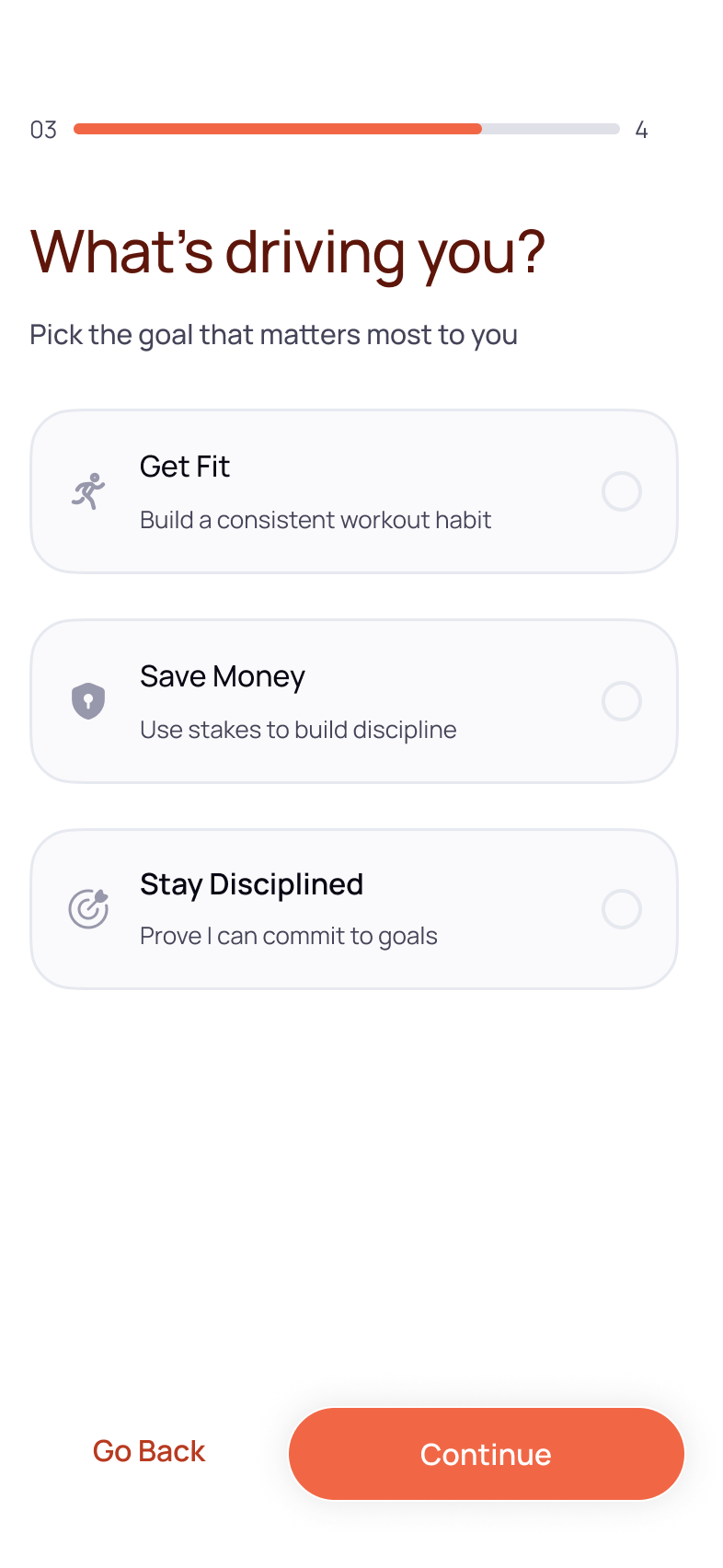
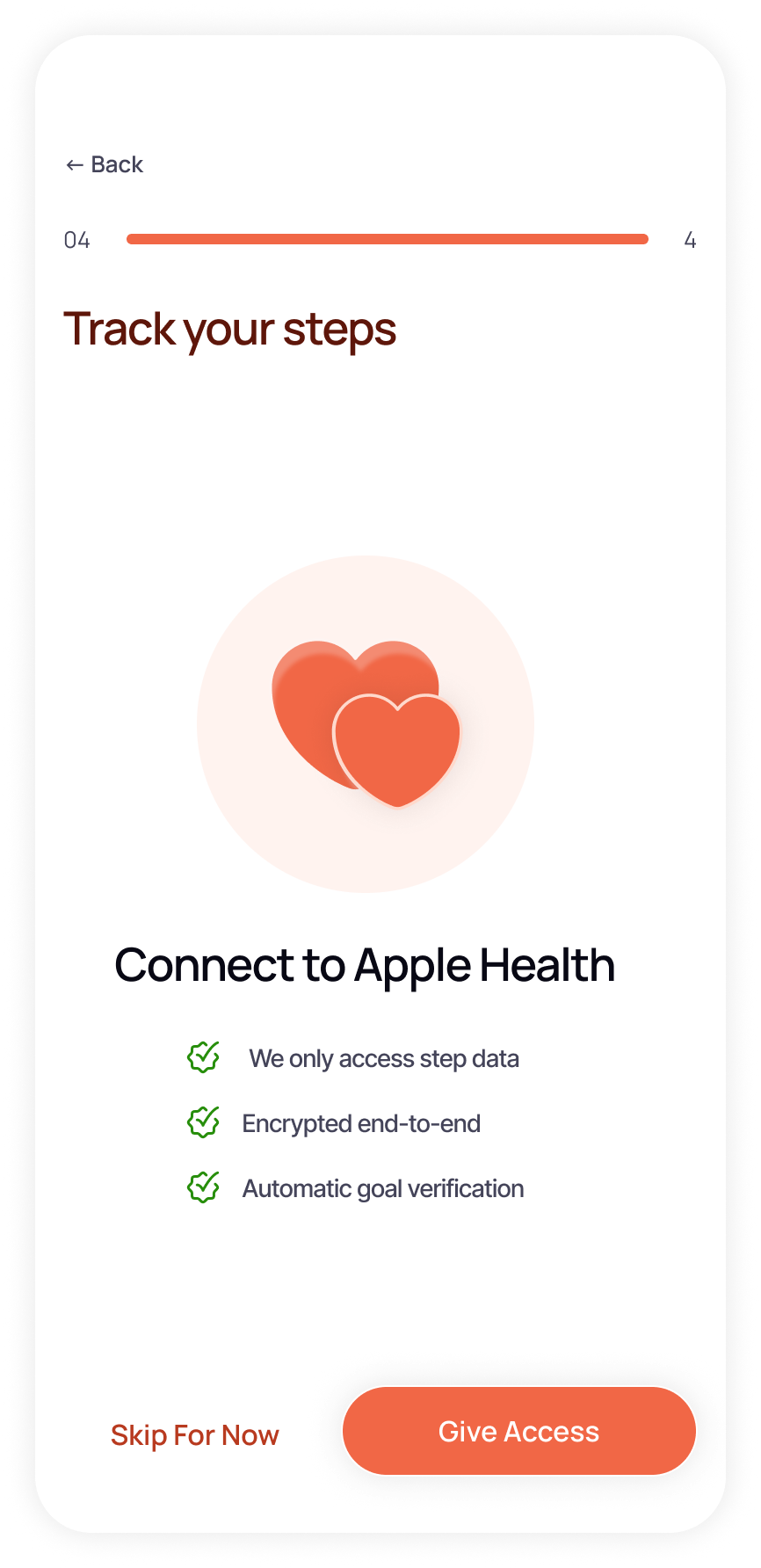


AI Workflow
AI-assisted localisation and scenario generation
Claude generated 80 edge-case user scenarios from 12 research interviews — surfacing 11 failure modes that weren't on the team's radar. Voice prompts were prototyped with ElevenLabs and A/B tested in Pidgin English vs Standard English; Pidgin tested 18% higher on comprehension.
Business Impact
61→89%
Booking Completion Rate
−34%
Drop-off at Destination Input
4 sec
Avg. Connectivity Recovery Time
18%
Comprehension Lift with Localised Voice
Next Project
AFROSZN
A culture-first media experience blending editorial storytelling and commerce.